Thai Pantry Guide
LOBO Potted Seafood Seasoning Paste 6-Pack: A Clay Pot Meal Planning Guide
Plan clay pot seafood meals with six 60g LOBO seasoning pouches, including serving estimates, shopping setup, pouch rotation, and cooking checks.
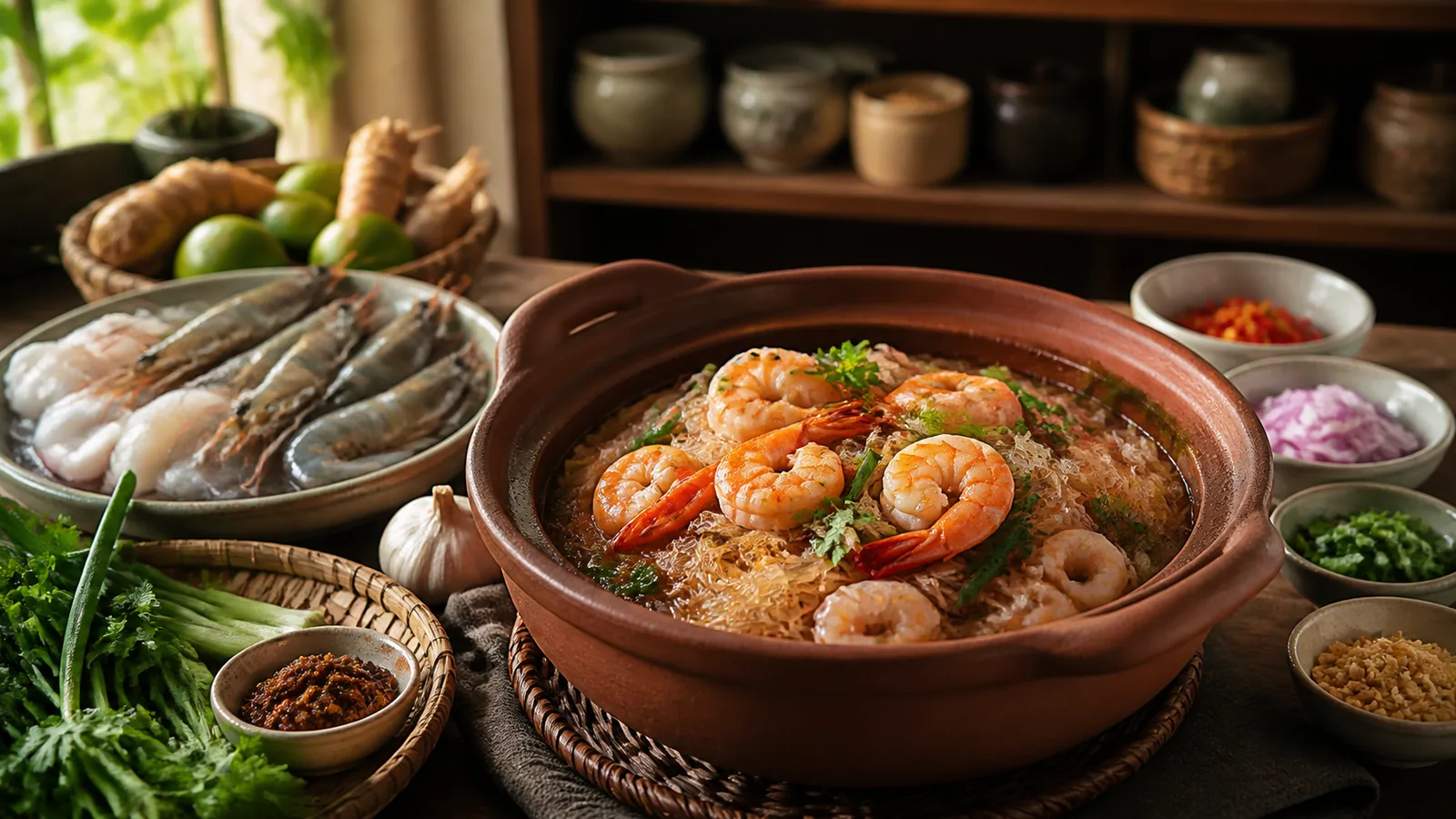
A multi-pouch seasoning pack is most useful when each pouch has a clear place in the meal plan. LOBO Potted Seafood Seasoning Paste 60g 6-Pack is described as a Thai-style seasoning paste for clay pot seafood dishes such as baked shrimp with glass noodles. The product record says each 60g pouch is designed for 3 to 4 servings, giving home cooks a practical unit for planning one cooking session at a time. The six-pack of potted seafood seasoning paste contains six 60g pouches. If every pouch is prepared according to the listed serving guidance, that provides a planning range of 18 to 24 servings across the pack. Actual portions can still depend on how a household serves the finished dish, so treat that total as an organizing estimate rather than a promise about appetite or meal size. Think in pouches, not one large batch The simplest way to plan this pack is to treat each 60g pouch as its own meal unit. One pouch corresponds to the stated 3-to-4-serving preparation size. That makes it easier to decide how many people a cooking session should cover, how much seafood and glass noodles to buy for that session, and how many unopened pouches will remain afterward. There is no need to commit all six pouches to the same day. You can schedule one pouch for a planned clay pot seafood dinner and keep the remaining sealed pouches for later occasions, following the storage information printed on the package. Before cooking, read the pouch directions in full. The compact probe identifies the intended dish style and serving range, but it does not provide a complete cooking method, ingredient quantity list, or storage instruction. Choose the meal before shopping The product description gives baked shrimp with glass noodles as an example, while the tags identify clay pot seafood and glass noodle seasoning. Use that information to set the theme of the meal, then choose the specific seafood and other ingredients you want to prepare. Check dietary needs and the package ingredient and allergen information before buying the rest of the meal. Make a shopping list from the instructions on the pouch rather than guessing quantities from the front of the pack. The seasoning pouch supplies the flavor base described in the listing; it should not be assumed to include the seafood, noodles, vegetables, garnish, cooking liquid, or other components of a finished meal unless the physical package explicitly says so. A careful list prevents the common problem of opening a seasoning pouch and only then discovering that a main ingredient is missing. Set up one cooking session at a time For an orderly dinner, place the unopened pouch beside the ingredients intended for that batch. Read the package method, prepare the cookware it calls for, and organize the ingredients before heating begins. Glass noodles and seafood can require different handling, so follow the timing and preparation directions on the package and the safe cooking guidance appropriate to the seafood you selected. Confirm that one 60g pouch suits the planned 3 to 4 servings. Read the full package instructions and ingredient information. Gather the seafood, glass noodles, and any other items required by the package method. Prepare suitable cookware for the dish you intend to make. Keep unopened pouches away from the active preparation area. Cook the selected seafood safely and serve the finished dish promptly. This mise en place approach is particularly helpful when making an unfamiliar dish. It keeps the seasoning unit tied to the correct batch and gives the cook a chance to resolve questions before the pouch is opened. Adjust the schedule, not the unsupported recipe A six-pack offers planning flexibility, but the compact product record does not support inventing alternate paste ratios or detailed recipe variations. If you are feeding more than four people, consult the package directions before deciding whether to prepare more than one pouch. If you are feeding fewer than three, do not assume that a partially used pouch can be stored in a particular way; check the label for handling and storage directions. For variety, change the occasion or the supporting menu while keeping each pouch tied to its printed directions. One clay pot seafood meal might be a weeknight dinner, while another could be planned for a shared weekend table. You can also vary the side dishes according to preference and dietary needs. The reliable anchor remains the listed use: Thai-style seasoning paste for a clay pot seafood dish such as baked shrimp with glass noodles. Rotate the six-pack deliberately When the order arrives, inspect the outer package and individual pouches. Confirm that the delivered product matches the name and that six 60g pouches are present. Check each pouch for visible damage and read its printed date and storage directions. If the count is wrong or a pouch appears damaged, set it aside and contact the seller rather than using it. Store unopened pouches according to the package. Arrange them so the earliest printed date is selected first, and keep a simple note of how many remain. A pantry list can be as short as “LOBO potted seafood paste: six pouches received,” followed by a mark each time one is planned. This avoids buying duplicate seasoning while several pouches are still available. Plan the pack across several meals A useful rotation begins with the number of diners. For three or four planned servings, assign one pouch and build the shopping list around the package directions. Reserve the other five pouches for later sessions. Across all six pouches, the stated serving guidance yields the 18-to-24-serving planning range, but it is better to schedule this as six separate 3-to-4-serving batches than to treat it as one oversized recipe. Batch 1: read the label and learn the preparation flow. Batch 2: repeat the method with the ingredients organized earlier. Batches 3 and 4: schedule only when fresh seafood and other required items are available. Batches 5 and 6: keep in pantry rotation according to their printed dates and storage directions. This is a planning framework, not a replacement for the manufacturer’s instructions. The product page supplies the pack size, pouch size, intended dish style, and serving guidance. The physical pouch should supply the final authority for preparation, ingredients, allergens, dates, and storage. A practical pre-cooking checklist Before opening a pouch, confirm the diner count, package directions, ingredient list, allergen information, required fresh ingredients, and cookware. Make sure the seafood has been handled appropriately and that the finished meal can be served without unnecessary delay. After cooking, follow suitable food-handling practices for the ingredients used and any leftovers. LOBO Potted Seafood Seasoning Paste is easiest to use as a structured pantry shortcut: one 60g pouch, one planned clay pot seafood session, and 3 to 4 servings according to the product description. With six individual pouches, the pack can support repeated meals without requiring every batch to be prepared at once. Plan from the pouch, shop for the complete dish, and let the printed directions guide the cooking.