Thai Pantry Guide
LOBO Pad Thai Sauce 120g 6-Pack: Cooking Sequence and Allergen Checklist
Review the listed Pad Thai cooking sequence, 120g pouch and 6-pack format, noodle options, ingredients, and allergen notes before preparing a meal.
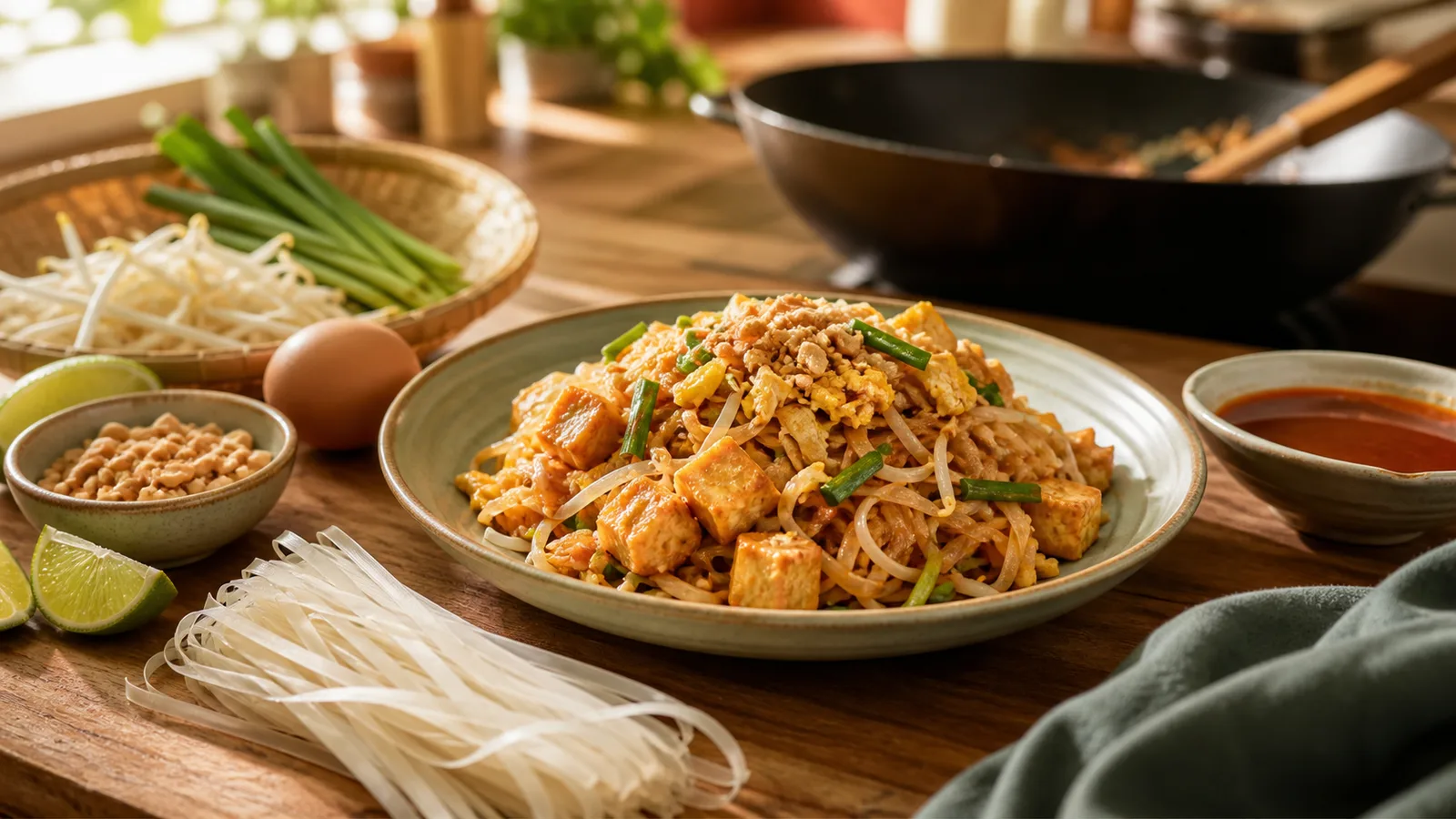
The product listing describes LOBO Pad Thai Stir-Fry Sauce as a Thai cooking sauce for preparing Pad Thai at home. Each 120g pouch is listed for two servings and includes Pad Thai paste with crushed roasted peanut in vacuum-sealed sachets. The product is sold as six pouches, for a listed total net weight of 720g. Set out the meal components first Stir-fry cooking moves quickly, so prepare the ingredients before heating the pan. The product directions mention vegetable oil, shrimp, diced firm tofu, egg, prepared noodles, bean sprouts, chives, and the roasted peanut supplied with the pouch. These are preparation references from the listing; quantities and substitutions should follow the current pack instructions and the needs of the people being served. Prepare dry noodles according to the noodle manufacturer's directions before stir-frying. Cut the chosen protein and tofu into suitable pieces. Have the egg, bean sprouts, and chives ready beside the pan. Keep the sauce and included roasted peanut sachet separate until their listed steps. Follow the listed cooking sequence Heat vegetable oil in a skillet. Fry the shrimp and diced firm tofu. Scramble one egg in the pan. Add the Pad Thai sauce and prepared noodles, then stir until cooked. Add bean sprouts and chives for the final minute. Plate the noodles and finish with the included roasted peanut. Cooking time, heat level, ingredient quantities, and food-safety handling should be adapted to the current package directions and the ingredients used. Make sure seafood, egg, and other perishable ingredients are cooked and handled appropriately. Noodle options in the listing The product description lists Chantaboon rice noodles, rice sticks, bean vermicelli, spaghetti, linguine, fresh noodles, and fresh udon as possible options. Different noodles absorb sauce and cook at different rates. Prepare dry noodles according to their own instructions, then adjust the final stir-fry only after checking their texture. Ingredient and allergen check The listing names sugar, roasted peanut, tamarind paste, shallot, fish sauce, tomato paste, garlic, refined soybean oil, distilled vinegar, salt, silicon dioxide as an anticaking agent, and chilli oleoresin. It states that the product contains peanut and fish and may contain shrimp, crab, and molluscs, including bivalves and squid . Always read the label on the packs received before cooking or serving. Recipes, suppliers, and label information can change, and cross-contact may also come from noodles, proteins, toppings, utensils, or the cooking area. Do not serve the dish to someone with a relevant allergy unless the complete current ingredient and allergen information has been checked for every component. Pack and storage checklist Confirm six 120g pouches and the listed 720g total net weight. Check that the packs are sealed and undamaged. Follow the package label for storage; the listing says to keep the product in a dry, clean place. Keep unopened pouches in their original packaging so the label remains available. Use the live product page and received label as the final references before preparation. This approach turns the product listing into a practical cooking plan without adding taste, dietary, certification, or health claims that are not needed for meal preparation.