Thai Pantry Guide
LOBO Pa-Lo 12-Pack: A Batch-Prep and Pouch-Rotation Guide for Flexible Meals
Plan flexible meals with LOBO Pa-Lo 32g pouches using first-in, first-out storage, practical batch prep, ingredient planning, and pantry notes.
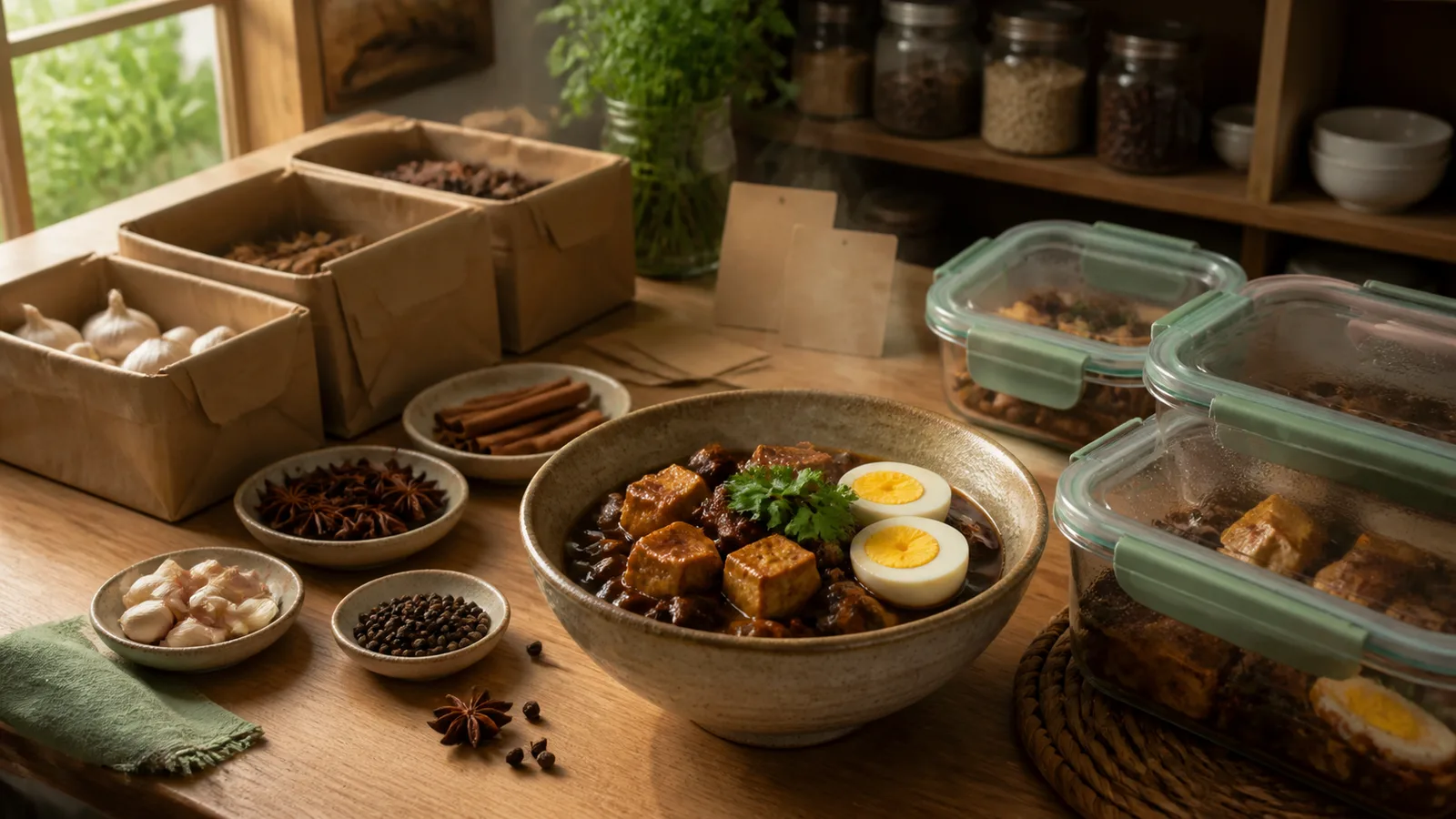
Turn a multipack into a working pantry plan A multipack is most useful when every pouch has a clear place in your meal routine. LOBO Instant Traditional Thai Style Pa-Lo comes in 32g pouches, and this listing contains 12. The product description presents the sauce as a convenient base for Thai five-spice-style Pa-Lo and notes approximately two servings per pouch. Actual portions depend on the other ingredients and how the dish is served, so use the package directions as the primary guide. See the pack details on the LOBO Instant Traditional Thai Style Pa-Lo product page . Before cooking, read the physical label for the current ingredient list, allergen information, storage directions, date marking, and preparation instructions. Online descriptions are useful for planning, but the pouch is the final reference for the product in your kitchen. Set up first-in, first-out rotation When the pack arrives, check that each pouch is sealed and dry. Keep the pouches together in a clean pantry bin, but place those with the earliest date at the front. If the outer bundle carries information that is not repeated on every pouch, keep the outer packaging or photograph it clearly before separating the set. Choose a cool, dry cupboard away from the cooker and direct sunlight. Write the date opened on the storage bin or pantry note. Keep pouches visible rather than buried behind larger packages. Do not use a pouch that is leaking, swollen, badly damaged, or otherwise questionable. Follow the label after opening and avoid storing a partly used pouch unless the package specifically permits it. A 12-pouch inventory can be divided into four groups of three. Keep one group accessible for near-term meals and leave the rest together as reserve stock. This creates an easy count: when the active group is empty, move the next three forward and add the item to the shopping list only when the reserve reaches your chosen minimum. Plan one base, then vary the meal Pa-Lo is commonly approached as a gently cooked, seasoned dish rather than a last-minute stir-fry. For each batch, choose a main ingredient, a secondary ingredient, and a serving base. Eggs and a preferred protein are familiar choices, while firm tofu or suitable vegetables can help shape a different meal. Ingredient substitutions change cooking times and results, so adjust the method carefully and use food-safe handling for everything selected. Build the shopping note around the pouch directions. List the required liquid and suggested ingredients first, then add optional items such as mushrooms, leafy greens, rice, or noodles according to household preference. Avoid loading the pot with so many extras that the seasoning becomes too diluted. It is easier to taste and adjust within the package guidance than to guess at a large, untested batch. Use a simple batch-prep workflow Read the pouch directions from start to finish and assemble measured ingredients. Prepare raw and ready-to-eat foods on separate clean surfaces. Cook the selected protein and eggs or alternatives using an appropriate method and time. Add vegetables according to the time they need, keeping delicate items for later. Check doneness and seasoning before portioning; do not judge safety by appearance alone. If you are preparing several meals, cool leftovers promptly in shallow containers and refrigerate or freeze them according to recognized local food-safety guidance. Label each container with the dish and preparation date. Reheat only the portion needed, and ensure it is heated appropriately. The seasoning pouch does not replace normal care with raw meat, cooked eggs, leftovers, or cross-contamination. Create distinct meals without changing the core process The first batch can be served with rice and a simple vegetable side. For another batch, plan a smaller amount of sauce-rich Pa-Lo alongside noodles, adding fresh greens at serving time. A third can emphasize eggs, tofu, or mushrooms if those ingredients suit your household. These are planning ideas, not fixed recipes; the label instructions and safe cooking requirements still come first. Keep a short note after each batch: number of diners, ingredients used, whether the liquid level worked, and what remained. That record helps you decide whether one pouch suits a weeknight dinner or whether a larger gathering needs separately prepared batches. Scaling several pouches should be deliberate because cooking vessel size, heating time, and ingredient quantity all change. Make the 12-pack earn its shelf space A practical pantry is organized around use, not accumulation. Rotate the earliest pouches forward, plan complementary ingredients before shopping, cook manageable batches, and record what your household actually enjoyed. With that routine, the LOBO Pa-Lo 12-pack becomes a flexible set of planned meals while the pouch label remains the authority for ingredients, preparation, storage, and allergen details.