Thai Pantry Guide
Doi Chaang Peaberry Classic 6-Pack: Brew Rotation and Storage Checklist
Plan storage, bag rotation, grinding, and brewing for Doi Chaang Peaberry Classic whole bean coffee in six 250 g bags.
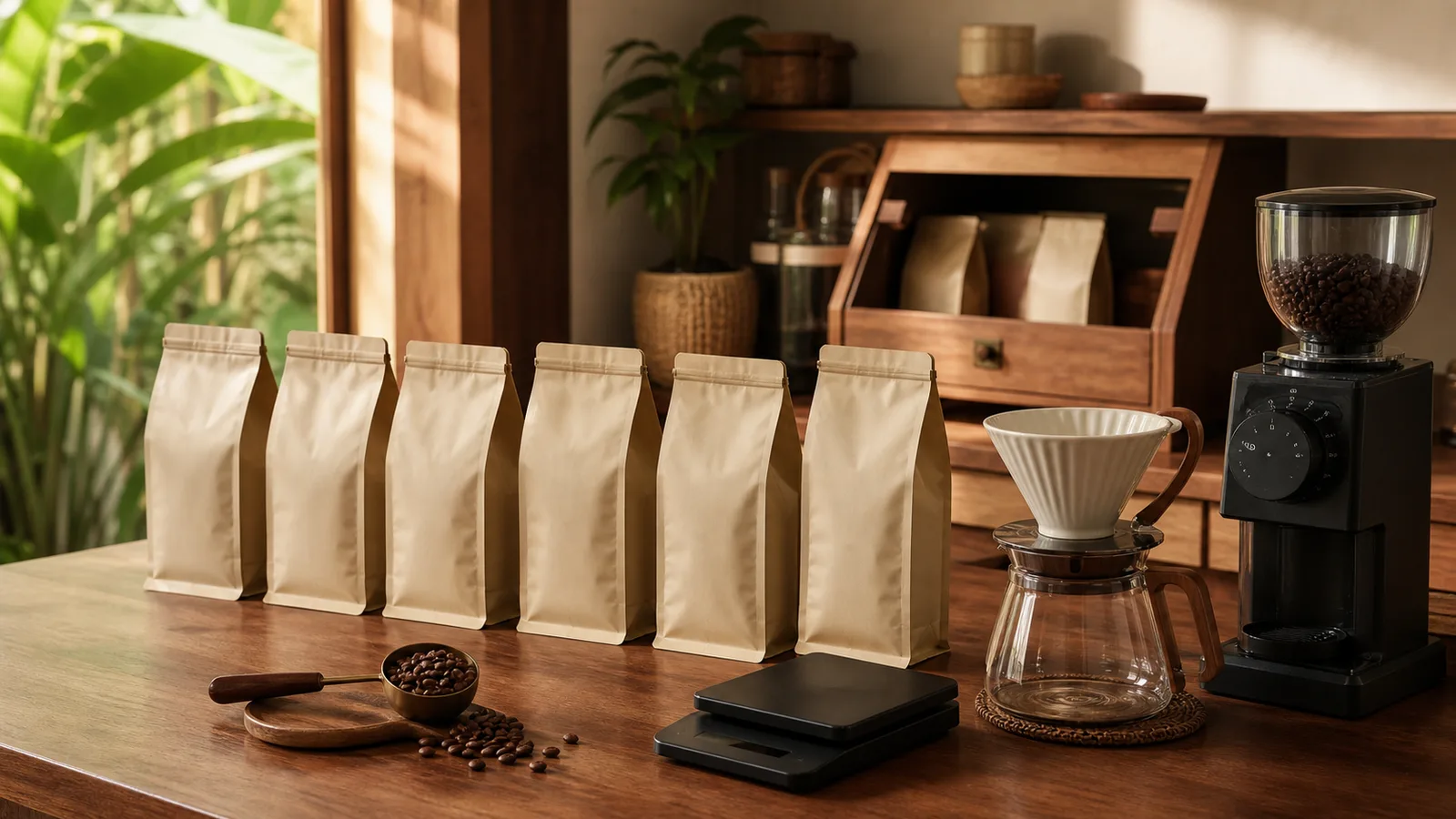
A six-pack of whole bean coffee is easiest to use well when you decide how the bags will move through your routine before opening them. Doi Chaang Peaberry Classic is listed as medium-roast whole bean coffee made from peaberry beans, supplied as six 250 g bags. That format can suit a household, office, shared coffee station, or planned gifting, but the right choice depends on how quickly the coffee will be used and what brewing equipment is available. Estimate your use before ordering Start with a simple consumption estimate rather than guessing. Note how many cups or brew batches you normally prepare each day, the dose of beans used for each batch, and how many people share the supply. Multiply the typical dose by weekly brewing frequency, then compare the result with the total pack size of 1,500 g. This estimate does not need to be exact; its purpose is to show whether six separate 250 g bags fit your normal pace. The separate bags make rotation straightforward. Plan to keep unopened bags closed and open one bag at a time, unless more than one bag is genuinely needed for separate locations. If the coffee is for an office, assign one person to monitor the open bag and note when the next one is needed. If it is being divided among recipients, keep the original product details with each bag so nobody has to guess the roast style or whether the coffee is whole bean. Check your grinder and brewer This is a whole bean product, so a suitable grinder is part of the preparation plan. Confirm that the grinder works consistently and can be adjusted for the intended brew method. A grind that suits one method may not suit another: immersion brewing generally uses a different setting from filter brewing, and espresso equipment usually requires finer, more precise adjustment. Follow the brewer and grinder manufacturers' guidance rather than treating one setting as universal. Before changing a full recipe, run a small test brew. Record the bean dose, water amount, grind setting, water temperature, and brew time. Taste the result when it has cooled enough to assess comfortably, then change only one variable at a time. If the cup runs through too quickly or tastes weaker than preferred, a grind or ratio adjustment may help; if it runs too slowly or tastes harsher than preferred, adjust in the opposite direction according to the brew method. These are starting observations, not fixed rules, because equipment and personal preference differ. Build a repeatable brew checklist Choose the brew method before grinding the beans. Use a scale when possible to keep the coffee and water amounts repeatable. Grind only the amount planned for the immediate brew session. Use clean equipment and fresh-tasting water appropriate for the brewer. Write down the grind setting, dose, water amount, and brew time. Make one adjustment at a time and keep notes on the result. Return the remaining beans to suitable storage promptly after dosing. For a shared setup, place the recipe note near the grinder. Include plain instructions such as the dose, grinder setting reference, water quantity, and target brew time. Avoid presenting the recipe as the only correct way to use the beans. It is a baseline that reduces waste and lets different users compare results. When switching to a different brewer, begin a new note rather than forcing the old recipe onto the new method. Store and rotate the six bags Keep unopened coffee in a cool, dry place away from direct sunlight, strong odors, moisture, and heat-producing appliances. Follow any storage directions and date information printed on the actual packaging. Do not transfer every bag into a single large container when it arrives; retaining the separate packs makes it easier to expose only the beans currently in use. Once a bag is opened, close it securely after each use. If the original closure is not suitable for repeated use, choose a clean, dry, food-safe container sized for the open quantity. Label it with the product name and opening date. Avoid repeatedly leaving beans uncovered beside a kettle or in a humid preparation area. Use the oldest opened bag first, and check that hands, scoops, and containers are dry before they contact the beans. Plan for home, office, or gifts For home use, decide where the unopened reserve will live and keep only the active bag at the coffee station. For an office, estimate demand before opening a second bag and store supplies away from cleaning products or strongly scented foods. For gifting, confirm that the recipient owns or has access to a grinder, since whole beans may be inconvenient otherwise. Also keep the pack information available so recipients can review the product for themselves. Review the package format, product image, and current listing details on the Doi Chaang Peaberry Classic Whole Bean Coffee 250g 6-Pack page . Before buying, check the actual label for any date, storage, ingredient, or preparation information relevant to your needs. A modest use estimate, one-bag-at-a-time rotation, and written brew notes make the six-pack easier to manage without promising a particular result in every cup.